(205) 633-3606


(205) 633-3606
 Unfortunately, injuries are very common in the sport of netball. An sprain occurs when the ligaments that connect bone to bone tear apart. Prophylactic tape and bracing can be used in order to prevent sprains. There are different benefits that come along with taping your compared to bracing, and vice-versa. A benefit of using tape is that it can be manipulated to fit your specific foot; however, the tape tends to loosen after about thirty minutes. A benefit of braces is that they provide extra support, but they cannot be tailored to fit a person’s foot.
sprains are common, but need immediate attention. If you have any concerns about your feet or s, contact Dr. Robert Hope from Riverside Podiatry. Dr. Hopewill assist you with all of your foot needs.
How Does an Sprain Occur?
sprains take place when the ligaments in your are torn or stretched beyond their limits. There are multiple ways that the can become injured, including twisting or rolling over onto your , putting undue stress on it, or causing trauma to the itself.
What are the Symptoms?
Preventing a Sprain
Treatment of a Sprain
Treatment of a sprain depends on the severity. Many times, people are told to rest and remain off their feet completely, while others are given an air cast. If the sprain is very severe, surgery may be required.
If you have suffered an sprain previously, you may want to consider additional support such as a brace and regular exercises to strengthen the .
If you have any questions, please feel free to contact our office located in Tuscaloosa, AL. We offer the newest diagnostic and treatment technologies for all your foot care needs.
Read more about sprains.
 A woman’s body changes in various ways when she is pregnant. It is very common for pregnant women to experience swelling in their feet, hands and face. However, women who have swollen feet during pregnancy should mention them to their doctor. Alerting a doctor of swollen feet is important in order to rule out a condition called preeclampsia, which causes swelling during pregnancy.
Pregnant women are susceptible to aching and swollen feet and should be treated with care. If you are seeking treatment,contact Dr. Robert Hope from Riverside Podiatry. Dr. Hopewill treat your heel pain symptoms in addition to other podiatric-related needs.
What foot problems can arise during pregnancy?
One problem that can occur is over-pronation, which occurs when the arch of the foot flattens and tends to roll inward. This can cause pain and discomfort in your heels while you’re walking or even just standing up, trying to support your baby.
Another problem is edema, or swelling in the extremities. This often affects the feet during pregnancy, but tends to occur in the later stages.
How can I keep my feet healthy during pregnancy?
If you have any questions please feel free to contact our offices located in Tuscaloosa, AL. We offer the newest diagnostic tools and technology to treat your foot needs.
Read the more about Pregnancy and Foot Health
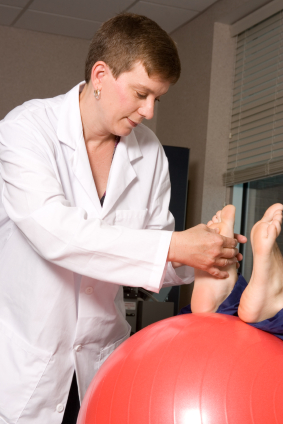 Exercise is crucial when it comes to dealing with diabetes. Extra precautions need to be taken for people with diabetes compared to those without it. A doctor must always be consulted if a person with diabetes wants to change his exercise routine. For diabetics the best time to exercise is one to three hours after eating, when blood sugar levels are at their highest point. It is important for diabetics to test their blood sugar levels before exercising. Having a small snack can raise low blood sugar levels and prevent hypoglycemia. Diabetics should also wear medical alert bracelets while they exercise and carry glucose tablets in case of emergency.
Diabetic foot care is important in preventing foot ailments such as ulcers. If you are suffering from diabetes or have any other concerns about your feet, contact Dr. Robert Hope from Riverside Podiatry. Dr. Hope will assist you with all of your podiatric concerns.
Diabetic Foot Care
Diabetes affects millions of people every year. Diabetes can damage blood vessels in many parts of the body, including the feet. Because of this, taking care of your feet is essential if you have diabetes, and having a podiatrist help monitor your foot health is highly recommended.
The Importance of Caring for Your Feet
Patients with diabetes should have their doctor monitor their blood levels because blood sugar levels play such a huge role in diabetic care. Monitoring these levels on a regular basis is highly advised.
It is always best to inform your healthcare professional of any concerns you may have regarding your feet, especially for diabetic patients. Early treatment and routine foot examinations are keys to maintaining proper health, especially because severe complications can arise if proper treatment is not applied.
If you have any questions please feel free to contact our office located in Tuscaloosa, AL.We offer the newest diagnostic and treatment technologies for all your foot needs.