(205) 633-3606

Follow Us
Like Us

Blog

Why Gout Often Strikes the Big Toe

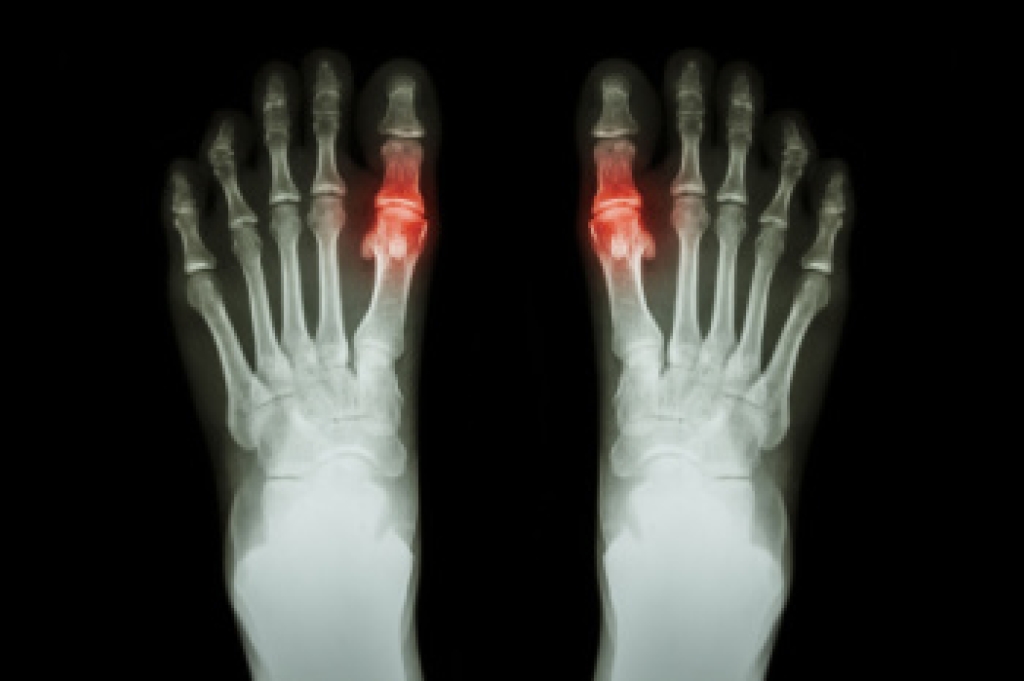
Gout is a form of inflammatory arthritis that develops when uric acid builds up in the blood and forms sharp crystals in a joint. These crystals can trigger sudden inflammation, making gout extremely painful. Gout commonly affects the big toe because the joint is relatively cool and receives repeated pressure from walking. Lower temperatures can encourage crystal formation. Recognizing gout symptoms can help you seek care before pain becomes difficult to manage.

A gout attack often begins suddenly, sometimes during the night. The big toe may become intensely painful, swollen, and extremely tender. Even light contact from bedding or a shoe can feel uncomfortable. Some people notice shiny skin around the affected joint. Without treatment, an attack may last for days. Repeated flares can damage the joint and contribute to the formation of tophi, which are firm deposits of uric acid crystals beneath the skin.


Several factors can increase gout risk. High uric acid levels are the main cause, but kidney problems can make it harder for the body to remove uric acid. Family history can also play a role. Certain medications, dehydration, and a diet high in purine-rich foods may increase risk. Obesity and some metabolic conditions can further contribute. A podiatrist can review your symptoms and examine the foot. Testing may also help confirm the diagnosis.


Treatment depends on the severity and frequency of attacks. A podiatrist may recommend rest, supportive footwear, and measures that reduce pressure on the painful joint. Medication may help control inflammation and pain during an acute flare. Long-term care may focus on lowering uric acid levels and preventing future attacks with guidance from your healthcare provider. If you have intense pain in your big toe, or other symptoms of gout, it is suggested that you are under the care of a podiatrist who can help you to manage this painful condition.

Gout is a painful condition that can be treated. If you are seeking treatment, contact Dr. Robert Hope from Riverside Podiatry. Our doctor will treat your foot and ankle needs.

What Is Gout?

Gout is a form of arthritis that is characterized by sudden, severe attacks of pain, redness, and tenderness in the joints. The condition usually affects the joint at the base of the big toe. A gout attack can occur at any random time, such as the middle of the night while you are asleep.

Symptoms

  • Intense Joint Pain - Usually around the large joint of your big toe, and it most severe within the first four to twelve hours
  • Lingering Discomfort - Joint discomfort may last from a few days to a few weeks
  • Inflammation and Redness -Affected joints may become swollen, tender, warm and red
  • Limited Range of Motion - May experience a decrease in joint mobility

Risk Factors

  • Genetics - If family members have gout, you’re more likely to have it
  • Medications - Diuretic medications can raise uric acid levels
  • Gender/Age - Gout is more common in men until the age of 60. It is believed that estrogen protects women until that point
  • Diet - Eating red meat and shellfish increases your risk
  • Alcohol - Having more than two alcoholic drinks per day increases your risk
  • Obesity - Obese people are at a higher risk for gout

Prior to visiting your podiatrist to receive treatment for gout, there are a few things you should do beforehand. If you have gout you should write down your symptoms--including when they started and how often you experience them, important medical information you may have, and any questions you may have. Writing down these three things will help your podiatrist in assessing your specific situation so that he or she may provide the best route of treatment for you.

If you have any questions, please feel free to contact our office located in Tuscaloosa, AL . We offer the newest diagnostic and treatment technologies for all your foot care needs.

Read more about Everything You Need to Know About Gout

Easing Heel Pain in Growing Children

Sever’s disease is a common cause of heel pain in children, especially during periods of rapid growth. Despite the name, it is not actually a disease, but an irritation of the growth plate at the back of the heel where the Achilles tendon attaches. This problem often develops in active children who participate in running or jumping sports, as repeated pulling on the heel can lead to pain, tenderness, or limping. Relief focuses on reducing strain and allowing the irritated area to recover while the child continues to grow. A podiatrist may recommend supportive footwear, stretching programs, temporary activity adjustments, or custom orthotics to improve foot function and reduce stress on the heel. In some cases, additional support may be needed if pain becomes more persistent. Most children improve with appropriate treatment and time. If your child continues to experience heel pain during activity or walking, it is suggested that you visit a podiatrist for a proper diagnosis and appropriate relief tips.

Sever's disease often occurs in children and teens. If your child is experiencing foot or ankle pain, see Dr. Robert Hope from Riverside Podiatry. Our doctor can treat your child’s foot and ankle needs.

Sever’s Disease

Sever’s disease is also known as calcaneal apophysitis, which is a medical condition that causes heel pain I none or both feet. The disease is known to affect children between the ages of 8 and 14.

Sever’s disease occurs when part of the child’s heel known as the growth plate (calcaneal epiphysis) is attached to the Achilles tendon. This area can suffer injury when the muscles and tendons of the growing foot do not keep pace with bone growth. Therefore, the constant pain which one experiences at the back of the heel will make the child unable to put any weight on the heel. The child is then forced to walk on their toes.

Symptoms

Acute pain – Pain associated with Sever’s disease is usually felt in the heel when the child engages in physical activity such as walking, jumping and or running.

Highly active – Children who are very active are among the most susceptible in experiencing Sever’s disease, because of the stress and tension placed on their feet.

If you have any questions, please feel free to contact our office located in Tuscaloosa, AL . We offer the newest diagnostic and treatment technologies for all your foot care needs.

Read more about Sever's Disease

Understanding Plantar Fasciitis

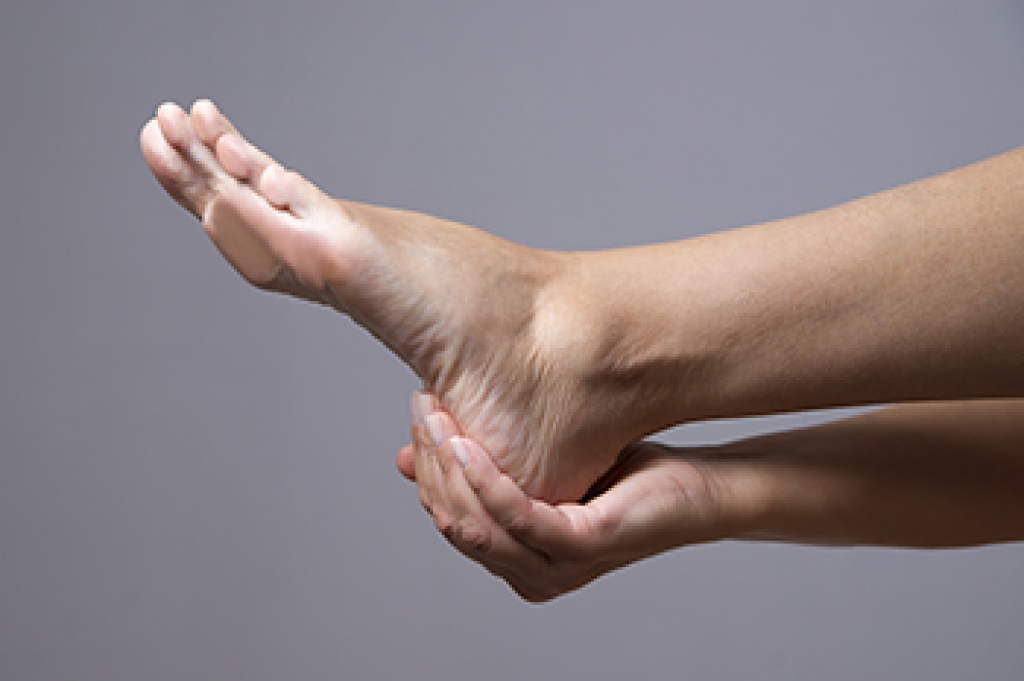
Plantar fasciitis causes heel pain when the plantar fascia becomes irritated. The plantar fascia is a strong band of tissue that runs along the bottom of the foot and helps support the arch. It absorbs significant force as you stand and move throughout the day. Repeated strain can irritate this tissue and lead to pain near the heel. Long periods of standing can increase stress on the plantar fascia. Poor arch support can also place extra strain on this important structure. About one in 10 people experiences plantar fasciitis at some point in life.

Heel pain from plantar fasciitis can be especially noticeable when taking the first steps after getting out of bed or after sitting for a while. The condition can affect active patients, but long periods of time of standing can also contribute to symptoms. Heel spurs are sometimes found in patients with plantar fasciitis. A heel spur is a bony growth on the heel bone. However, the presence of a heel spur does not necessarily mean it is the source of the pain.  Wearing supportive shoes can help reduce stress on the heel and arch by improving cushioning and limiting excessive heel movement.

A podiatrist can examine the foot, identify the source of heel pain, and create a treatment plan based on the patient's needs. Treatment can focus on reducing strain on the plantar fascia and improving support for the foot. A podiatrist can recommend supportive shoes, custom orthotics, or targeted stretching. Orthotics are inserts designed to support the feet and improve how pressure is distributed. Early evaluation is helpful because untreated heel pain can interfere with standing, exercise, and everyday activities. If you have symptoms of plantar fasciitis, it is suggested that you schedule an appointment with a podiatrist for a diagnosis and appropriate treatment.

Plantar fasciitis can be very painful and inconvenient. If you are experiencing heel pain or symptoms of plantar fasciitis, contact Dr. Robert Hope  from Riverside Podiatry. Our doctor can provide the care you need to keep you pain-free and on your feet.

What Is Plantar Fasciitis?

Plantar fasciitis is the inflammation of the thick band of tissue that runs along the bottom of your foot, known as the plantar fascia, and causes mild to severe heel pain.

What Causes Plantar Fasciitis?

  • Excessive running
  • Non-supportive shoes
  • Overpronation
  • Repeated stretching and tearing of the plantar fascia

How Can It Be Treated?

  • Conservative measures – anti-inflammatories, ice packs, stretching exercises, physical therapy, orthotic devices
  • Shockwave therapy – sound waves are sent to the affected area to facilitate healing and are usually used for chronic cases of plantar fasciitis
  • Surgery – usually only used as a last resort when all else fails. The plantar fascia can be surgically detached from the heel

While very treatable, plantar fasciitis is definitely not something that should be ignored. Especially in severe cases, speaking to your doctor right away is highly recommended to avoid complications and severe heel pain. Your podiatrist can work with you to provide the appropriate treatment options tailored to your condition.

If you have any questions, please feel free to contact our office located in Tuscaloosa, AL . We offer the newest diagnostic and treatment technologies for all your foot care needs.
Read more about Plantar Fasciitis

Let the Expert Treat Your Ingrown Toenails

Ingrown toenails can be painful and can make wearing shoes or walking uncomfortable. Seek professional help if you believe you've developed an ingrown toenail and be treated safely. 

Causes of Arch Pain in the Foot

The arch of the foot helps absorb shock, support body weight, and keep the body balanced. Pain in this area can make standing or walking uncomfortable. It can develop suddenly after an injury or begin gradually from repeated strain. The pain can feel sharp, aching, or burning. It may stay in the arch or spread toward the heel and ankle. Some patients notice worse pain with their first steps in the morning. Others feel it after long periods of standing, running, or other weight-bearing activity.

Plantar fasciitis is a frequent cause of arch pain. It affects the strong band of tissue that runs from the heel to the toes and supports the arch. Other causes include flat feet, high arches, and a strained tendon. A tendon is a firm cord that connects muscle to bone. Pain can also result from a stress fracture, which is a small crack in a bone caused by repeated pressure. Sudden increases in activity and shoes that lack proper support can raise the risk. Swelling, tenderness, or changes in foot shape can help point to the underlying problem.

A podiatrist can examine the foot, review when the pain began, and check how the patient stands and walks. The evaluation can also include tests of strength, movement, and balance. It may also reveal areas receiving too much pressure. X-rays or other imaging tests can help identify a fracture or damage to soft tissue. Treatment depends on the cause and severity of the pain. A podiatrist can provide custom orthotics to improve support and reduce strain. Care can also include bracing or a walking boot. Severe problems that do not improve with conservative care may require surgery. Early diagnosis can prevent the condition from worsening and help patients return to comfortable movement. If you have pain in the arch of your foot, it is suggested that you schedule an appointment with a podiatrist for a diagnosis and appropriate treatment.

If you have any concerns about your feet, contact Dr. Robert Hope from Riverside Podiatry. Our doctor can provide the care you need to keep you pain-free and on your feet.

Biomechanics in Podiatry

Podiatric biomechanics is a particular sector of specialty podiatry with licensed practitioners who are trained to diagnose and treat conditions affecting the foot, ankle and lower leg. Biomechanics deals with the forces that act against the body, causing an interference with the biological structures. It focuses on the movement of the ankle, the foot and the forces that interact with them.

A History of Biomechanics

  • Biomechanics dates back to the BC era in Egypt where evidence of professional foot care has been recorded.
  • In 1974, biomechanics gained a higher profile from the studies of Merton Root, who claimed that by changing or controlling the forces between the ankle and the foot, corrections or conditions could be implemented to gain strength and coordination in the area.

Modern technological improvements are based on past theories and therapeutic processes that provide a better understanding of podiatric concepts for biomechanics. Computers can provide accurate information about the forces and patterns of the feet and lower legs.

Understanding biomechanics of the feet can help improve and eliminate pain, stopping further stress to the foot.

If you have any questions please feel free to contact our office located in Tuscaloosa, AL . We offer the newest diagnostic and treatment technologies for all your foot and ankle needs.

Read more about Biomechanics in Podiatry
Connect with us