
(205) 633-3606

Follow Us
Like Us

Blog

Aging and the Feet

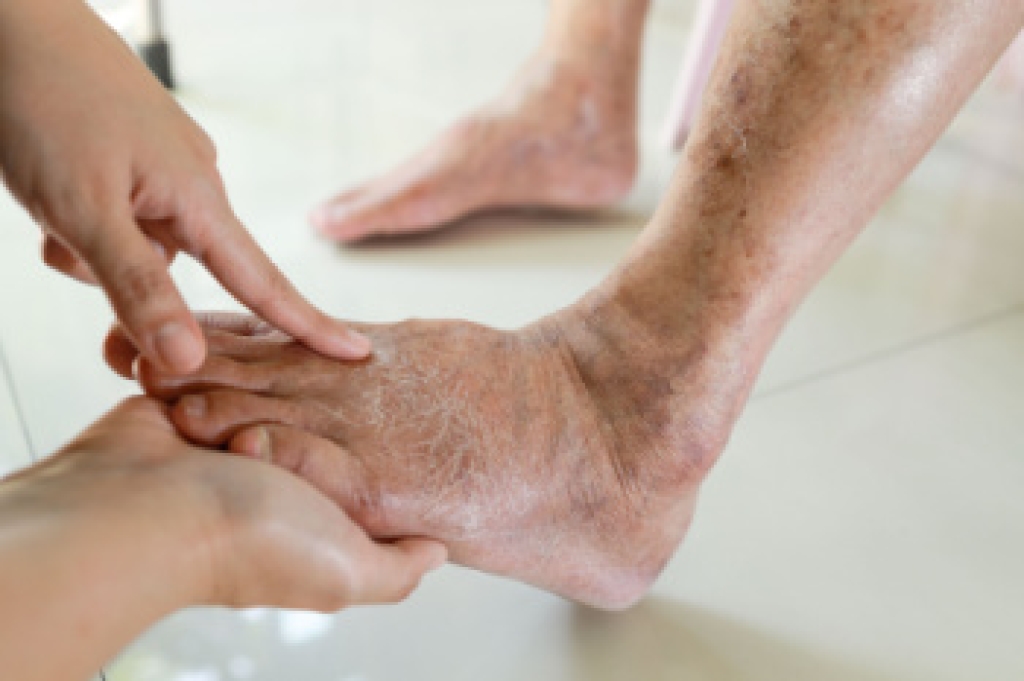
A lifetime of standing and walking can place stress on the feet. As people age, the feet can become wider, while the arches may become lower. Skin can grow thinner and drier, and toenails can become thicker. Reduced circulation or loss of feeling can make injuries harder to notice. Arthritis can also cause stiffness in the toes, feet, and ankles. These changes can affect balance and make walking less comfortable. Regular care from a podiatrist helps older adults address concerns before they limit mobility or lead to complications.

A podiatrist can examine the feet for corns, calluses, and skin damage. The examination can identify fungal nail infections, wounds, or signs of poor blood flow. Patients with diabetes need careful monitoring because even a small sore can become infected. A podiatrist can trim thick toenails and reduce painful areas of hardened skin. Treatment can also address heel pain, flat feet, and arthritis-related discomfort. Custom orthotics can support weakened arches and improve how pressure is spread across the feet. A podiatrist can also recommend shoes with the proper fit, cushioning, and support for a patient’s needs.

Foot changes should not be dismissed as a normal part of aging. Pain, swelling, or numbness deserve professional attention. Changes in skin color also require care. The same is true for cuts that do not heal and sudden changes in walking or balance. A podiatrist can assess joint movement and foot structure. The evaluation can also include circulation and nerve function. X-rays or other tests can help identify arthritis, fractures, or hidden damage. Based on the findings, the podiatrist can create a treatment plan designed to relieve discomfort, protect the feet, and support safer movement. Routine visits are especially valuable for patients with diabetes, poor circulation, or a history of foot wounds. If you have foot problems related to aging, it is suggested that you schedule an appointment with a podiatrist for a diagnosis and appropriate treatment.

If you need your feet checked, contact Dr. Robert Hope of Riverside Podiatry. Our doctor will attend to all of your foot and ankle needs and provide you with quality treatment.

Geriatrics and Podiatry
When people age, some common issues that may occur are bone density loss, dry skin, poor circulation, and rough brittle nails. These issues may also affect your foot health if the necessary steps are not taken to alleviate the problems.

It is important to take care of your feet because feet that are injured or diseased can affect your overall health. Having painful feet hinders your ability to do daily activities or may decrease your willingness to do the things that you need to do.

Visiting Your Geriatrician
As we age, health problems become more likely, so it is essential to visit your doctor for check-ups to ensure that you are doing the best you can to take care of your health. It is recommended to check your feet frequently for any possible cuts, bruises, swelling, corns or any other irregularities. 

Taking Care of Elderly Feet
Cracked or dry feet can be treated by applying moisturizer often. It is also important not to wear old socks because the older the sock is, the higher the possibility there will be that there is bacteria there. Wear fresh socks and make sure they fit properly.

Proper foot health means that you can have a more active lifestyle and you will not be bogged down by pain. Foot health also leads to good circulation, which is paramount for overall health.

If you have any questions, please feel free to contact our office located in Tuscaloosa, AL . We offer the newest diagnostic and treatment technologies for all your foot care needs.

Read more about Elderly and their Feet

Broken Foot Symptoms and Treatment

A broken foot occurs when one or more bones in the foot crack or break. Symptoms include pain, bruising, and swelling. Tenderness can develop, and putting weight on the injured foot can become difficult. A severe fracture can cause the foot to look deformed or leave a bone visible through the skin. A broken foot can resemble a sprain because both injuries can cause similar symptoms. Fractures usually cause more severe pain, but symptoms alone cannot always show which injury has occurred.

Prompt evaluation is important when a fracture is suspected. Without proper treatment, a broken foot can lead to infection or changes in foot shape. Warning signs include worsening pain, numbness, or circulation problems. A foot that becomes blue and cold also requires urgent attention. A podiatrist can examine the injury and determine whether the symptoms point to a fracture or another problem. X-rays are frequently used to identify broken bones. Other imaging tests can help detect small fractures that do not appear clearly on an X-ray.

Treatment depends on where the bone is broken and how severe the fracture is. A podiatrist can protect the foot with a cast, brace, or walking boot. Keeping weight off the injured foot can also be part of treatment. Some fractures require the bones to be moved back into proper position. More serious breaks can require surgery with pins, screws, or plates to hold the bones in place. Many foot fractures take about six to eight weeks to heal, although recovery time varies. A podiatrist can monitor healing and determine when normal activities can safely resume. If you have broken your foot, it is suggested that you schedule an appointment with a podiatrist for a diagnosis and appropriate treatment.

A broken foot requires immediate medical attention and treatment. If you need your feet checked, contact Dr. Robert Hope from Riverside Podiatry. Our doctor can provide the care you need to keep you pain-free and on your feet.

Broken Foot Causes, Symptoms, and Treatment

A broken foot is caused by one of the bones in the foot typically breaking when bended, crushed, or stretched beyond its natural capabilities. Usually the location of the fracture indicates how the break occurred, whether it was through an object, fall, or any other type of injury. 

Common Symptoms of Broken Feet:

  • Bruising
  • Pain
  • Redness
  • Swelling
  • Blue in color
  • Numbness
  • Cold
  • Misshapen
  • Cuts
  • Deformities

Those that suspect they have a broken foot shoot seek urgent medical attention where a medical professional could diagnose the severity.

Treatment for broken bones varies depending on the cause, severity and location. Some will require the use of splints, casts or crutches while others could even involve surgery to repair the broken bones. Personal care includes the use of ice and keeping the foot stabilized and elevated.

If you have any questions, please feel free to contact our office located in Tuscaloosa, AL . We offer the newest diagnostic and treatment technologies for all your foot care needs.

Read more about Causes, Symptoms, and Treatment for a Broken Foot

Causes Behind Foot Arch Pain

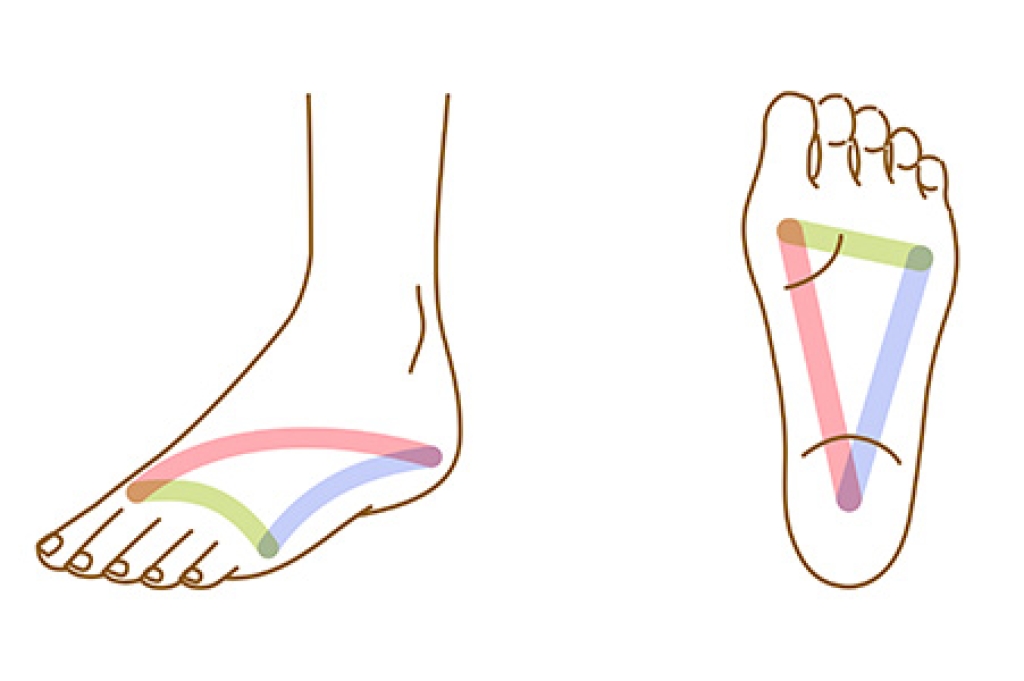
Foot arch pain affects the middle portion of the foot and can interfere with everyday activities. The arch is designed to absorb shock, bear weight, and stabilize movement. When this structure is stressed or injured, it can lead to discomfort that worsens with activity. Symptoms often include tenderness, swelling, and a sharp or burning sensation that becomes more noticeable after walking or standing.

The causes of arch pain are often linked to overuse and physical stress. Excessive exercise, especially without proper rest, can strain the ligaments and muscles that support the arch. Activities like running, jumping, or standing for extended periods of time can increase pressure on the foot. Poor foot mechanics and lack of proper support may also contribute to strain, leading to gradual irritation and inflammation in the arch area.


Several risk factors can increase the likelihood of developing arch pain. These include having flat feet or high arches, wearing shoes that lack proper cushioning, and engaging in repetitive movements. Poor posture can affect alignment and place uneven pressure on the foot. Individuals with physically demanding jobs or active lifestyles may be more prone to symptoms, especially when recovery time is limited.


Understanding the causes and risk factors of arch pain helps guide effective prevention and treatment. Early attention to symptoms can reduce discomfort and improve mobility. Maintaining proper foot support and managing activity levels are key steps for long-term health. Foot arch pain can be uncomfortable and may cause difficulty in completing daily activities. If you have pain in this part of your foot, it is suggested that you consult a podiatrist who can determine what the cause is and offer effective relief and treatment solutions.

Foot Pain

Foot pain can be extremely painful and debilitating. If you have a foot pain, consult with Dr. Robert Hope from Riverside Podiatry. Our doctor will assess your condition and provide you with quality foot and ankle treatment.

Causes

Foot pain is a very broad condition that could be caused by one or more ailments. The most common include:

  • Bunions
  • Hammertoes
  • Plantar Fasciitis
  • Bone Spurs
  • Corns
  • Tarsal Tunnel Syndrome
  • Ingrown Toenails
  • Arthritis (such as Gout, Rheumatoid, and Osteoarthritis)
  • Flat Feet
  • Injury (from stress fractures, broken toe, foot, ankle, Achilles tendon ruptures, and sprains)
  • And more

Diagnosis

To figure out the cause of foot pain, podiatrists utilize several different methods. This can range from simple visual inspections and sensation tests to X-rays and MRI scans. Prior medical history, family medical history, and any recent physical traumatic events will all be taken into consideration for a proper diagnosis.

Treatment

Treatment depends upon the cause of the foot pain. Whether it is resting, staying off the foot, or having surgery; podiatrists have a number of treatment options available for foot pain.

If you have any questions, please feel free to contact our office located in Tuscaloosa, AL . We offer the newest diagnostic and treatment technologies for all your foot care needs.

Read more about Foot Pain
Connect with us