(205) 633-3606

Follow Us
Like Us

Blog

Ways That Rheumatoid Arthritis Affect the Feet

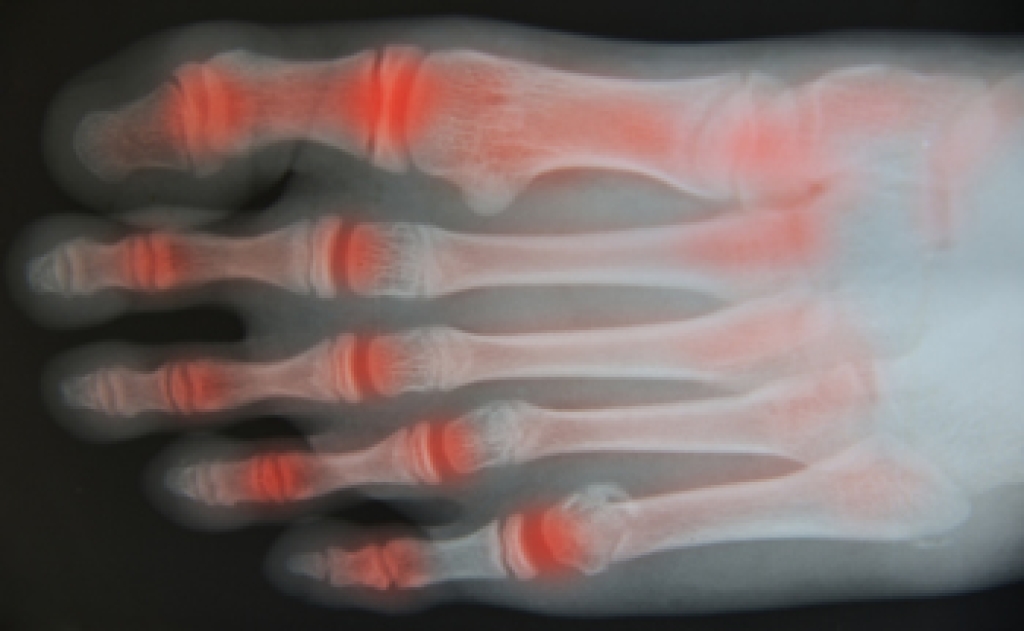
Rheumatoid arthritis causes the body to attack healthy joints, and the feet are commonly affected. This condition can lead to pain, swelling, and stiffness. It commonly affects the toes, arches, and ankles. Symptoms include discomfort in both feet at the same time, especially when getting out of bed or when walking after resting. Rheumatoid arthritis can also change the shape of the feet. Some people develop bunions, curled toes, or flat feet because the joints become weak and unstable. Pain in the ball of the foot is also common and can make standing or walking difficult. Swollen joints may feel warm and tender, and wearing shoes can become uncomfortable. A podiatrist can examine the feet, recommend supportive shoes, and provide custom orthotics that help reduce pain and improve movement. If you have foot pain that may be linked to arthritis, it is suggested that you make an appointment with a podiatrist for an exam and treatment options.

Foot Pain

Foot pain can be extremely painful and debilitating. If you have a foot pain, consult with Dr. Robert Hope from Riverside Podiatry. Our doctor will assess your condition and provide you with quality foot and ankle treatment.

Causes

Foot pain is a very broad condition that could be caused by one or more ailments. The most common include:

  • Bunions
  • Hammertoes
  • Plantar Fasciitis
  • Bone Spurs
  • Corns
  • Tarsal Tunnel Syndrome
  • Ingrown Toenails
  • Arthritis (such as Gout, Rheumatoid, and Osteoarthritis)
  • Flat Feet
  • Injury (from stress fractures, broken toe, foot, ankle, Achilles tendon ruptures, and sprains)
  • And more

Diagnosis

To figure out the cause of foot pain, podiatrists utilize several different methods. This can range from simple visual inspections and sensation tests to X-rays and MRI scans. Prior medical history, family medical history, and any recent physical traumatic events will all be taken into consideration for a proper diagnosis.

Treatment

Treatment depends upon the cause of the foot pain. Whether it is resting, staying off the foot, or having surgery; podiatrists have a number of treatment options available for foot pain.

If you have any questions, please feel free to contact our office located in Tuscaloosa, AL . We offer the newest diagnostic and treatment technologies for all your foot care needs.

Read more about Foot Pain

Are Bunions Affecting Your Everyday Life?

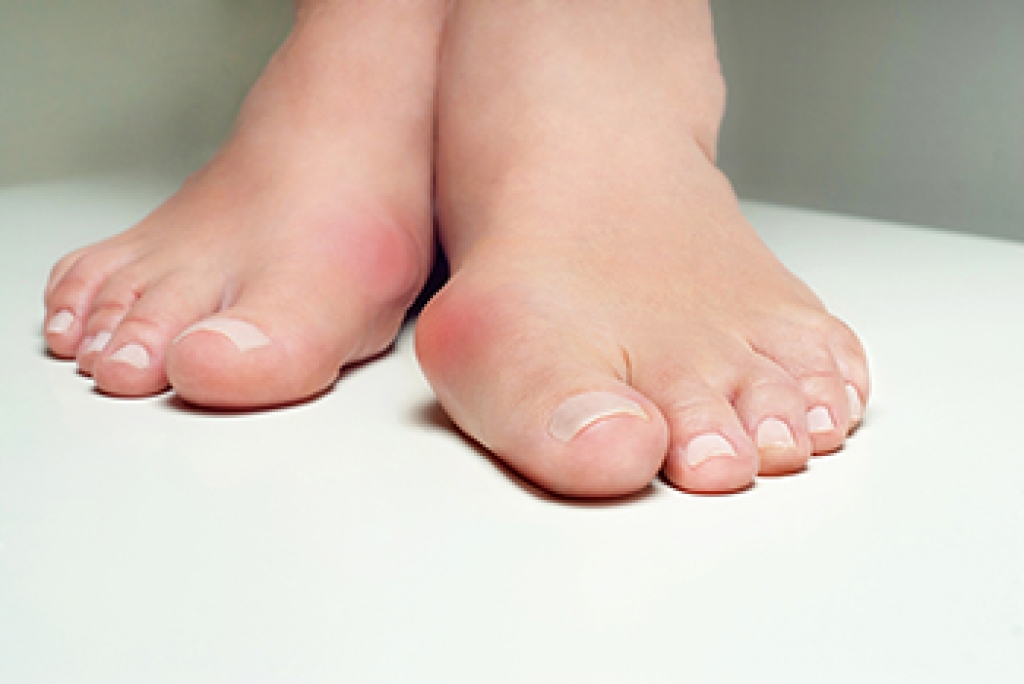
Have you noticed a bony protrusion on the side of your big toe? If so, you may have developed the foot condition known as a bunion. Don't let bunions interfere with your daily activities.

Facts About Bunions

A bunion is a common foot condition that causes a bony bump to form at the base of the big toe. As the condition develops, the big toe gradually shifts toward the smaller toes, which can change the shape of the foot and make certain shoes uncomfortable to wear. Bunions often run in families because inherited foot structure can increase the likelihood of developing them. Common symptoms include pain, swelling and tenderness around the joint. Many have difficulty finding shoes that fit comfortably. Although genetics play a major role, wearing narrow, tight, or high-heeled shoes can place extra pressure on the big toe joint and may worsen symptoms over time. Other risk factors include flat feet, arthritis, and activities that place repeated stress on the front of the foot. Without treatment, a bunion may become larger and more painful. A podiatrist can assess the severity of the condition and recommend footwear modifications, padding, or surgery when necessary. If you have bunion pain, it is suggested that you schedule an appointment with a podiatrist for evaluation and treatment.

If you are suffering from bunions, contact Dr. Robert Hope of Riverside Podiatry. Our doctor can provide the care you need to keep you pain-free and on your feet.

What Is a Bunion?

A bunion is formed of swollen tissue or an enlargement of boney growth, usually located at the base joint of the toe that connects to the foot. The swelling occurs due to the bones in the big toe shifting inward, which impacts the other toes of the foot. This causes the area around the base of the big toe to become inflamed and painful.

Why Do Bunions Form?

Genetics – Susceptibility to bunions are often hereditary

Stress on the feet – Poorly fitted and uncomfortable footwear that places stress on feet, such as heels, can worsen existing bunions

How Are Bunions Diagnosed?

Podiatrists often perform two tests – blood tests and x-rays – when trying to diagnose bunions, especially in the early stages of development. Blood tests help determine if the foot pain is being caused by something else, such as arthritis, while x-rays provide a clear picture of your bone structure to your provider.

How Are Bunions Treated?

  • Refrain from wearing heels or similar shoes that cause discomfort
  • Select wider shoes that can provide more comfort and reduce pain
  • Anti-inflammatory and pain management drugs
  • Orthotics or foot inserts
  • Surgery

If you have any questions, please feel free to contact our office located in Tuscaloosa, AL . We offer the newest diagnostic and treatment technologies for all your foot care needs.

Read more about What Are Bunions?

Foot and Ankle Injuries From Tennis

Tennis places heavy stress on the feet and ankles because the game requires quick turns, sudden stops, and fast side-to-side movement. Common injuries include ankle sprains, heel pain, stress fractures, and Achilles tendon injuries. Hard courts place repeated pressure on the joints and bones of the feet, while slippery courts increase the risk of twisting an ankle. Wearing shoes that lack proper support can also lead to pain and instability. A podiatrist can diagnose these injuries with a physical exam and imaging tests or X-rays. Treatment includes custom orthotics to improve foot alignment and reduce pressure on painful areas. Bracing or wearing a walking boot can help protect injured tendons and bones while they heal. Stretching exercises and strengthening programs can improve balance and ankle stability. In severe cases, surgery may be needed to repair damaged tissue or fractures. If you have foot or ankle pain after playing tennis, it is suggested that you make an appointment with a podiatrist for an exam and treatment options.

Sports related foot and ankle injuries require proper treatment before players can go back to their regular routines. For more information, contact Dr. Robert Hope of Riverside Podiatry. Our doctor can provide the care you need to keep you pain-free and on your feet.

Sports Related Foot and Ankle Injuries

Foot and ankle injuries are a common occurrence when it comes to athletes of any sport. While many athletes dismiss the initial aches and pains, the truth is that ignoring potential foot and ankle injuries can lead to serious problems. As athletes continue to place pressure and strain the area further, a mild injury can turn into something as serious as a rupture and may lead to a permanent disability. There are many factors that contribute to sports related foot and ankle injuries, which include failure to warm up properly, not providing support or wearing bad footwear. Common injuries and conditions athletes face, including:

  • Plantar Fasciitis
  • Achilles Tendinitis
  • Achilles Tendon Rupture
  • Ankle Sprains

Sports related injuries are commonly treated using the RICE method. This includes rest, applying ice to the injured area, compression and elevating the ankle. More serious sprains and injuries may require surgery, which could include arthroscopic and reconstructive surgery. Rehabilitation and therapy may also be required in order to get any recovering athlete to become fully functional again. Any unusual aches and pains an athlete sustains must be evaluated by a licensed, reputable medical professional.

If you have any questions please contact our office located in Tuscaloosa, AL . We offer the newest diagnostic and treatment technologies for all your foot and ankle needs.

Read more about Sports Related Foot And Ankle Injuries

How to Prevent Ankle Pain While Running

Ankle pain while running can develop from several factors that place stress on the joints and surrounding tissues. Poor running form may cause uneven movement and strai. Running on uneven surfaces can increase the risk of twisting or overloading the ankle. Wearing unsuitable footwear may fail to provide proper support. Weak ankles can make it harder to maintain stability. Prevention focuses on strengthening the ankles through simple exercises, choosing supportive running shoes, and building conditioning gradually to avoid sudden stress. Risk factors include overuse, lack of strength, and improper technique. A podiatrist can assess your gait, recommend proper footwear, and create a plan to improve strength and alignment. If you have ankle or foot pain from running, it is suggested that you consult a podiatrist who can offer effective treatment remedies and guide you on running injury prevention.

All runners should take extra precaution when trying to avoid injury. If you have any concerns about your feet, contact Dr. Robert Hope of Riverside Podiatry. Our doctor will treat your foot and ankle needs.

How to Prevent Running Injuries

There are a lot of mistakes a runner can make prior to a workout that can induce injury. A lot of athletes tend to overstretch before running, instead of saving those workouts for a post-run routine. Deep lunges and hand-to-toe hamstring pulls should be performed after a workout instead of during a warmup. Another common mistake is jumping into an intense routine before your body is physically prepared for it. You should try to ease your way into long-distance running instead of forcing yourself to rush into it.

More Tips for Preventing Injury

  • Incorporate Strength Training into Workouts - This will help improve the body’s overall athleticism
  • Improve and Maintain Your Flexibility – Stretching everyday will help improve overall performance
  • “Warm Up” Before Running and “Cool Down” Afterward – A warm up of 5-10 minutes helps get rid of lactic acid in the muscles and prevents delayed muscle soreness
  • Cross-Training is Crucial
  • Wear Proper Running Shoes
  • Have a Formal Gait Analysis – Poor biomechanics can easily cause injury

If you have any questions, please feel free to contact our office located in Tuscaloosa, AL . We offer the newest diagnostic and treatment technologies for all your foot care needs.

Read more about Preventing Running Injuries
Connect with us